- hello@group8.co
- 12 Marina View, Singapore

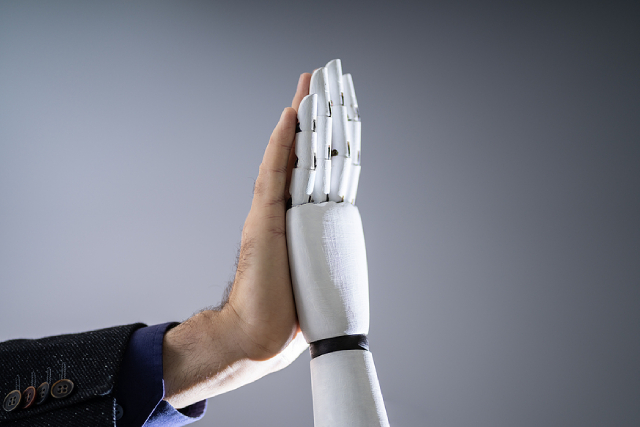
2026 is already here, and that matters more than most people realise. Cyber threats don’t wait for annual reports or budget cycles. They evolve quietly, often faster than businesses expect, and many of the changes unfolding this year are already affecting how organisations operate day to day.
What feels different about 2026 is how normal cyber risk has become. Attacks are no longer rare, shocking events. They show up as delayed payments, fake emails from “your boss,” system outages during peak hours, or sensitive data quietly leaking out. Understanding the trends shaping this year isn’t about fear. It’s about staying steady, prepared, and realistic.
Cybercriminals are using artificial intelligence the same way businesses are, to work faster and at scale. AI now helps attackers write convincing phishing emails, scan systems for weaknesses, and adapt attacks in real time. What once required a skilled hacker can now be done with automated tools.
Preparation means assuming that attacks will look polished and believable. Regular awareness training and layered security checks matter more than relying on one line of defence.
Deepfake videos and voice cloning are no longer novelty tech. In 2026, they’re being used to impersonate executives, finance managers, and even long-term colleagues. A short voice message asking for an “urgent transfer” can sound disturbingly real.
Clear internal verification steps help reduce this risk. Simple habits, like confirming unusual requests through a second channel, can stop costly mistakes.
Zero trust isn’t just a buzzword anymore. Many organisations are moving away from the idea that internal users are automatically safe. Every access request is checked, whether it comes from inside or outside the network.
This shift can feel uncomfortable at first, but it reduces the damage when one account is compromised. It’s about limiting how far an attacker can move if they get in.
Ransomware groups are changing tactics. Instead of only encrypting files, they now aim to halt operations entirely. Manufacturing lines stop, booking systems go down, and customer services freeze. Backing up data is still essential, but preparation also includes recovery planning. Knowing how quickly you can resume operations matters just as much as restoring files.
Cloud platforms are powerful, but they’re also easy to misconfigure. Many breaches still happen because storage buckets are left open or permissions are too broad. Regular reviews and monitoring are crucial here. This is where structured cybersecurity services often help organisations spot gaps they didn’t realise were there.
Attackers increasingly target vendors, software updates, and third-party tools. One weak link can expose multiple organisations at once.
In 2026, businesses are paying closer attention to who they work with and how data flows between partners. Asking vendors about their security practices is becoming normal, not awkward.
Regulators are raising expectations around cyber resilience, reporting, and accountability. In Singapore, conversations around compliance are becoming more concrete, including discussions like why MAS is pushing for red teaming in 2026, even if many organisations are still figuring out what that means for them in practice.
The key takeaway isn’t panic. It’s alignment. Security strategies need to match regulatory direction, not lag behind it.
Passwords alone are no longer enough. Compromised credentials remain one of the most common entry points for attackers. Multi-factor authentication, device checks, and identity monitoring are becoming standard. The focus has shifted from protecting systems to protecting people’s digital identities.
With constant alerts, warnings, and training reminders, employees can become numb. In 2026, organisations are realising that too many messages can be just as risky as too few.
Clear, relevant guidance works better than overwhelming staff with technical details. Security should feel supportive, not exhausting.
Trying to predict the “next big attack” rarely works. What does work is building resilience. That means knowing your assets, understanding your risks, and practising how you respond when something goes wrong. This mindset shift is one of the most important changes this year. Security isn’t about perfection. It’s about readiness.
Staying secure in 2026 doesn’t require chasing every new tool. It starts with a few grounded steps:
Cybersecurity is no longer just an IT concern. It touches finance, operations, leadership, and even company culture.
The trends shaping 2026 point to one clear message: cyber risks are more human, more subtle, and more intertwined with daily business than ever before. The good news is that preparation doesn’t have to be overwhelming. Small, consistent improvements add up.
If you’re looking to strengthen your organisation’s security posture this year, Group8 can help you make sense of today’s risks and prepare with confidence. Our team works alongside businesses to build practical, resilient defences that support growth rather than slow it down.