- hello@group8.co
- 12 Marina View, Singapore

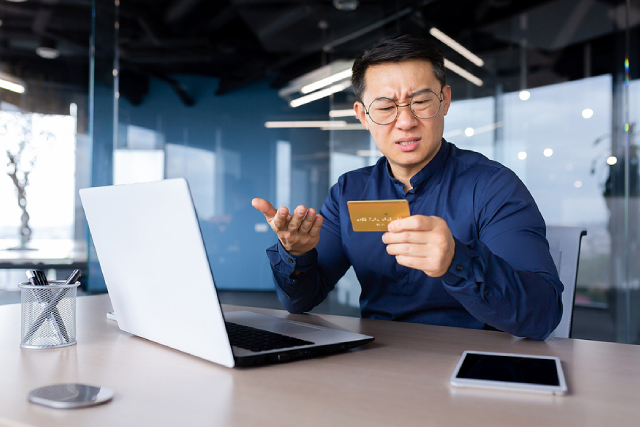
The internet has made everyday life faster and more convenient. Filing taxes, paying bills, and managing personal finances can now be done within minutes from a phone or laptop. Digital services continue to improve, helping people save time and avoid long queues. Yet as technology evolves, cybercriminals are evolving alongside it, learning how to exploit the same systems designed to make life easier.
Cyberattacks today look very different from the obvious scams many people remember years ago. Instead of poorly written emails or suspicious pop-ups, modern phishing attempts often appear professional and surprisingly believable. As online systems become more sophisticated, attackers are investing more effort into deception, making it harder for ordinary users to tell the difference between a legitimate message and a dangerous one.
Tax season creates a perfect opportunity for scammers. Many people expect notifications from official agencies during this period, which lowers suspicion when an email or SMS claiming to involve a refund arrives.
Recent phishing campaigns have impersonated Singapore’s Inland Revenue Authority, sending messages that claim recipients are eligible for tax rebates or refunds. These scams typically create urgency, encouraging victims to act quickly before they have time to verify the message.
According to a police advisory published by the Singapore Police Force, scammers have been distributing phishing links that closely mimic official government websites, tricking victims into entering personal details and banking credentials.
The advisory highlights how attackers are leveraging realistic branding, official-looking layouts, and convincing language to gain trust. Once victims submit their information, scammers may immediately attempt unauthorised transactions.
Phishing no longer relies on mass spam alone. Today’s attackers research behaviour patterns and design messages that feel relevant to the recipient.
A typical tax refund phishing attempt may follow this sequence:
1. Initial contact – Victims receive an SMS, email, or messaging app notification claiming a refund is pending.
2. Urgency trigger – The message states the refund will expire soon or requires verification within a limited time.
3. Spoofed website – A link leads to a fake portal resembling a government login page.
4. Data collection – Victims enter personal details, Singpass credentials, or banking information.
5. Financial exploitation – Scammers quickly transfer funds or use stolen data for further fraud.
These steps happen quickly, often within minutes, which is why early awareness is critical.
One major shift is how personalised scams have become. Attackers now analyse publicly available information, leaked databases, and behavioural patterns to tailor messages.
Simply put: with AI, hackers are personalising phishing in Singapore. This doesn’t always mean complex technology. Even basic automation allows scammers to customise names, locations, or transaction references, making messages feel legitimate. When a message appears directly relevant to your situation, your natural instinct is to trust it.
Even well-designed scams usually leave small clues. Knowing what to look for can significantly reduce risk.
Watch out for:
Government agencies in Singapore generally do not ask for sensitive information through unsolicited links or messages. When something feels rushed or emotionally persuasive, it’s worth pausing before taking action.
As scams grow more sophisticated, individuals and businesses are increasingly turning to phishing detection services in Singapore to strengthen protection.
These services typically work by:
For companies handling customer data, early detection reduces reputational damage and financial loss. For individuals, awareness supported by secure digital environments lowers exposure to fraudulent activity.
Tax-related scams succeed because they combine authority and urgency. Messages appear to come from trusted institutions, while the promise of receiving money encourages quick action.
Psychologically, people are more likely to respond when:
Scammers understand these triggers well. Rather than threatening victims immediately, many phishing attempts start with positive messaging, which lowers suspicion.
Modern spoofing techniques go beyond simple fake emails. Some tactics currently observed include:
Because these techniques feel seamless, victims often realise the scam only after funds are lost.
Practical steps to protect yourself
Cybersecurity doesn’t require advanced technical knowledge. Small habits can significantly reduce risk. Here are practical steps anyone can follow:
If you accidentally click a suspicious link, disconnect from the site immediately and change your passwords using a trusted device.
Quick action can limit damage. If you suspect you’ve fallen victim to a phishing attempt:
Reporting scams helps authorities track patterns and warn others, reducing the likelihood of further victims.
Online convenience will continue to grow, and so will cyber risks. The goal isn’t to avoid digital services, but to use them confidently with the right precautions. Recognising suspicious behaviour, verifying information independently, and adopting safer habits can dramatically lower exposure to fraud.
For organisations and individuals seeking stronger protection against evolving cyber threats, working with experienced cybersecurity professionals can make a meaningful difference. Group8 provides cybersecurity solutions designed to help businesses detect threats early, strengthen digital defences, and reduce risks from phishing and spoofing attacks across Singapore’s digital landscape. Contact us today to get started.